Tsarukyan vs Ruffy: the 86 percent nobody has tested
Mauricio Ruffy has 86 percent takedown defense going into UFC 331, but opponents have shot 23 times and one man landed all three. What Arman Tsarukyan changes.
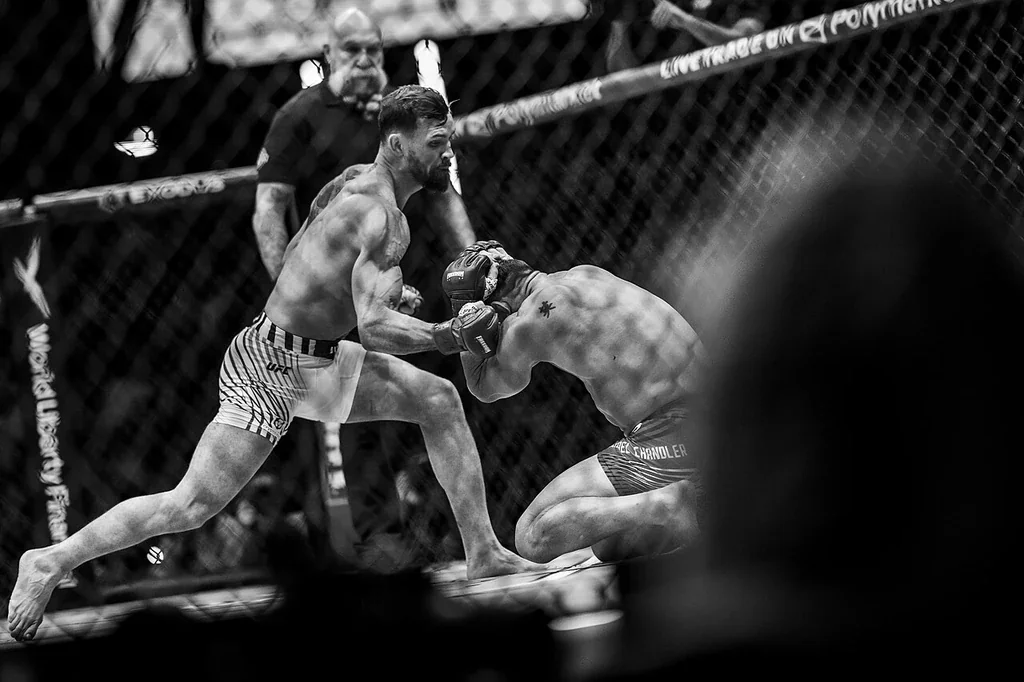
There is a number attached to Maurício Ruffy that I have seen used as a shield all week: 86 percent takedown defense. It is a real number, it comes off his octagon record, and I do not think it means what people are using it to mean.
Saturday in Los Angeles he fights Arman Tsarukyan in the UFC 331 co-main event, and the entire fight is that number against a man whose job is to make it irrelevant. So let's take a look at where the 86 comes from, because the sample underneath it is stranger than the figure suggests.
The 86 percent is mostly deterrence
Across the seven fights we have full stats for, opponents have attempted 23 takedowns on Ruffy and landed three.
All three came from one man. Benoit Saint Denis, September 2025, went three-for-ten and held Ruffy down for four minutes and 38 seconds before submitting him in the second round. Ruffy landed five significant strikes in that entire fight, on seventeen attempts. Five.
Now look at the other six. Michael Chandler tried three times and landed none. Rafael Fiziev tried once. James Llontop tried six. Raimond Magomedaliev tried three. King Green and Jamie Mullarkey never shot at all, and both of them were unconscious inside a round.
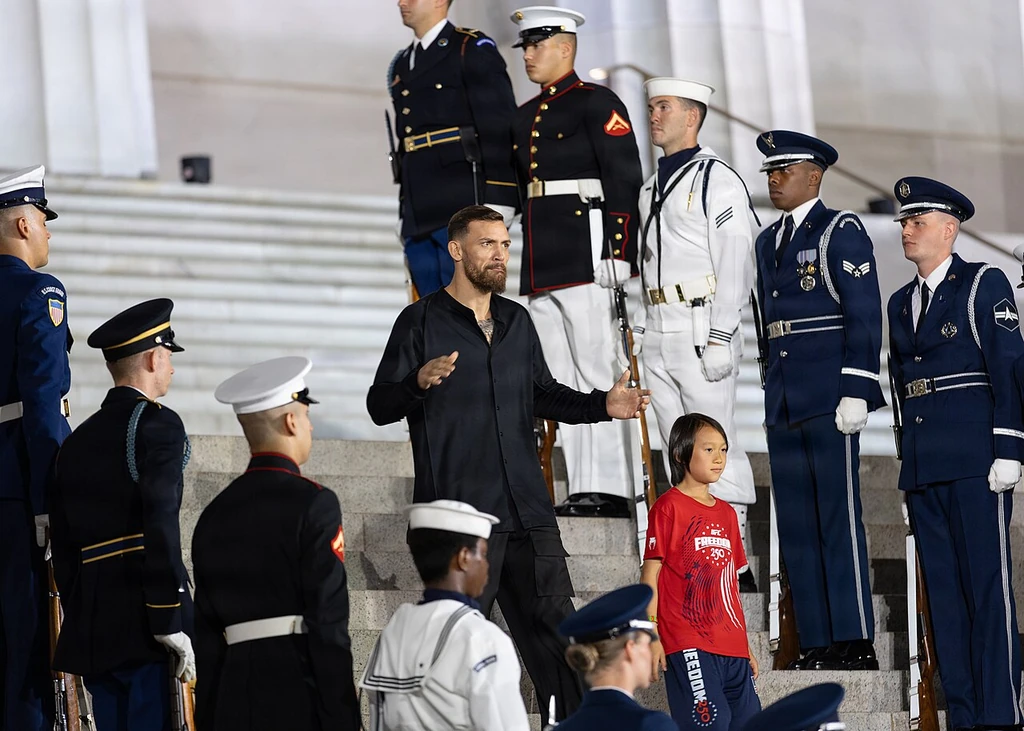
Photo: U.S. Army photo by Sgt. 1st Class Brittany Primavera / Public domain
.jpg)
That is the shape of the sample. Thirteen of the 23 attempts come from two men who were losing the striking exchange and reached for something. One man came in with a wrestling plan, executed it, and the fight was over in eleven minutes. The 86 percent is not evidence that Ruffy cannot be taken down. It is evidence that almost nobody has been willing to find out, and that the one who was willing collected.
This is a distinction worth holding onto generally, because takedown defense percentage is the most misread stat in the sport. It measures what happened when someone shot. It says nothing about how often the shot was declined, and a knockout artist declines a lot of shots on his opponent's behalf.
Why nobody shoots on him
The reason the attempts are so thin is on the other half of the stat sheet, and it is the most honest thing about Ruffy's record.
He has scored a knockdown in five of his seven fights: two against Chandler in a single round, one each against Fiziev, Green, Llontop and Mullarkey. He lands 4.19 significant strikes a minute at 57 percent accuracy, which is a very high connect rate for volume that size. The Fiziev fight is the one I keep going back to: 55 of 88 landed, a knockdown, finished in the second.
A wrestler entering on that has to accept a specific trade. The level change is the most exposed moment in fighting, the head drops into the exact plane a counter wants it in, and a man throwing at 57 percent accuracy with five knockdowns in seven fights is the worst possible person to offer it to. That is why Chandler's three attempts were the whole of his wrestling that night, and why Green offered nothing at all.
The other side of it is that Ruffy absorbs 3.83 significant strikes a minute. He is not hard to hit. He is expensive to hit.
Tsarukyan's entries do not look like the others'
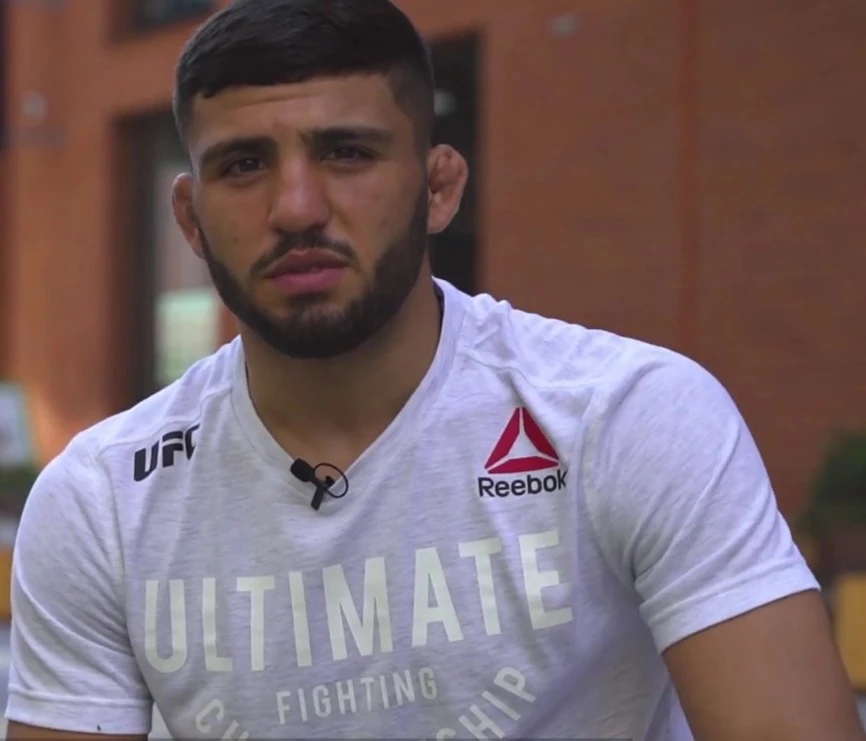
Photo: inFocus media / CC BY 3.0

Here is where the matchup stops resembling the seven fights in the sample.
Tsarukyan averages 3.26 takedowns per fifteen minutes at 37 percent accuracy. Read that pair together, because the pair is the point. He misses roughly two out of every three attempts and he keeps attempting anyway, which only works if the misses are cheap.
They have been. Against Dan Hooker in November he went two-for-four and accumulated six minutes and two seconds of control before the second-round submission, and Hooker finished the night with ten significant strikes landed and ten seconds of control of his own. Against Charles Oliveira at UFC 300 he went two-for-four again, held eight minutes and 41 seconds, and won the split. Against Joaquim Silva he was four-for-five with nine minutes of control. In none of those four fights was Tsarukyan himself taken down once.
Oliveira is the interesting exception inside that run: he logged two minutes and 32 seconds of control on Tsarukyan without landing a single takedown, which is a reminder that control time and takedowns are different currencies and Tsarukyan can be reversed and tied up by the right grappler.
The credentials behind the numbers are 5-0 in professional wrestling and 5-0-1 in professional submission grappling, and he absorbs 1.80 significant strikes a minute, less than half what Ruffy takes. A wrestler who does not get hit on the way in is precisely the wrestler that a counter-striker's deterrence does not work on.
The one number the model leans on
Our model gives Tsarukyan 72 percent, and the 24 books we track have him at -317, an implied 76 before the cut. That is a four-point gap, which in our terms is agreement. The machine and the market both think this is Tsarukyan's fight, and they think it by roughly the same margin.
What the driver sheet says underneath is more specific. Career depth is the biggest factor, 26 fights against 16 and 23 wins against 14. Striking goes to Ruffy, on better accuracy and a better defensive rate. Size goes to Ruffy too, three inches of reach and four of height. Octagon record goes back to Tsarukyan, with a five-fight win streak against two.
So both sides of the ledger are honest about what this is. Ruffy is the better striker in the pure sense and the naturally bigger man. Tsarukyan is the one who gets to decide where the fight happens, and that decision has been worth more than striking advantages for as long as the sport has been scored.
What I will actually be watching
Not the first takedown. The first failed one.
If Tsarukyan shoots inside the opening two minutes, misses, and walks out clean the way he did repeatedly against Silva and Oliveira, then the 86 percent is going to spend the next fifteen minutes eroding, because the attempts will keep coming and Ruffy will start reading them instead of countering them. If the first miss costs him, if Ruffy catches the level change the way five of his seven opponents got caught standing, then the whole wrestling plan becomes a liability inside one exchange and we get the fight everyone actually bought a ticket for.
Saint Denis proved the first thing can happen. Chandler proved the second one can. Both of them are in the same seven-fight sample, which is the honest summary of what we know about Maurício Ruffy: not very much, very loudly.
Co-main goes at roughly 9 p.m. ET on Saturday. Start times by country are at how to watch UFC 331, and live round-by-round lands on the event page.